
As Historical perspectives on inequality takes center stage, this opening passage beckons readers into a world crafted with knowledge, ensuring a reading experience that is both absorbing and distinctly original.
The story of inequality is deeply woven into the fabric of human history, beginning with the social hierarchies established in ancient civilizations. Throughout centuries, the legacies of colonialism and industrialization have significantly impacted wealth distribution, creating stark contrasts in societies. This exploration will traverse the influence of military conquests and wartime economies on social dynamics and mobility, leading up to modern times, where globalization and technology have reshaped economic disparities.
Historical Roots of Inequality
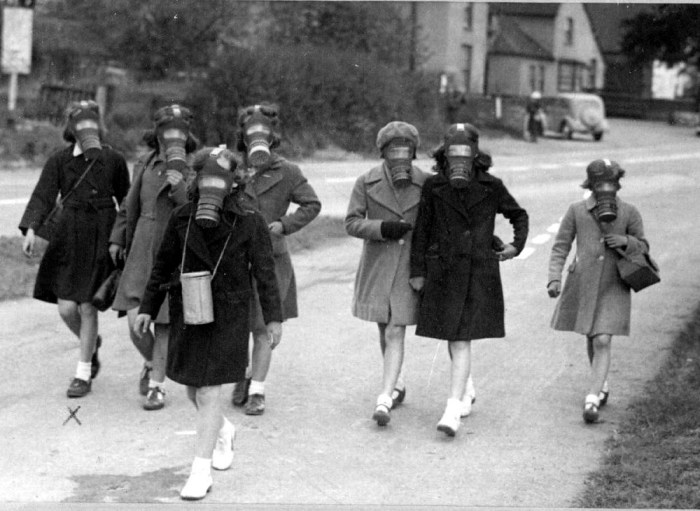
Throughout human history, social inequalities have been deeply intertwined with the development of civilizations. These disparities stem from various factors, including the formation of social hierarchies, the effects of colonialism, and the transformative impact of industrialization. Each of these elements has contributed to our understanding of economic and social inequalities as they exist today, providing valuable insights into how historical patterns shape contemporary issues.
Emergence of Social Hierarchies in Ancient Civilizations
The origins of social hierarchies can be traced back to ancient civilizations such as Mesopotamia, Egypt, and the Indus Valley. In these societies, the stratification of social classes was often linked to factors like land ownership, military power, and religious authority.
- The development of agriculture led to surplus production, enabling some individuals or families to accumulate wealth and power.
- Political structures emerged, often granting authority to a select few, which solidified the division between rulers and the ruled.
- Religious institutions played a crucial role in legitimizing social hierarchies, with priests and monarchs often seen as divinely appointed.
These early forms of social organization established a framework for inequality that would persist through centuries, laying the groundwork for future disparities.
Impact of Colonialism on Wealth Distribution
Colonialism significantly altered wealth distribution across various regions of the world, often to the detriment of colonized societies. The imposition of foreign rule facilitated the extraction of resources, leaving lasting scars on local economies.
- Colonizers prioritized the extraction of valuable resources, such as gold, silver, and spices, which enriched the colonizing nations at the expense of local populations.
- The introduction of cash crops for export undermined traditional agricultural practices, leading to food insecurity and economic dependency.
- Colonial policies often favored the establishment of a wealthy elite, while the majority of the indigenous population remained marginalized and impoverished.
The consequences of colonialism continue to influence economic dynamics and social structures, perpetuating cycles of inequality in post-colonial nations.
Role of Industrialization in Shaping Economic Disparities
The industrial revolution marked a significant turning point in the way economies functioned, further entrenching economic disparities and social stratification. This shift from agrarian economies to industrialized ones created new class dynamics.
- Urbanization led to the concentration of labor in factories, often resulting in poor working conditions, low wages, and long hours for the working class.
- Wealth became increasingly concentrated among industrialists and business owners, creating a stark contrast between the affluent and the working poor.
- The rise of technological advancements provided opportunities for economic growth, but also contributed to job displacement and increased inequality.
Industrialization laid the foundation for the modern economic landscape, reinforcing existing inequalities while creating new forms of economic stratification.
Society and Military Influence on Inequality
The interplay between military power and social structures has historically played a crucial role in shaping inequalities within societies. Military conquests and the ensuing regimes often lead to significant shifts in power dynamics, altering social status across various classes. This transformation, influenced by warfare, creates environments where existing societal hierarchies are either reinforced or dismantled, contributing to the broader narrative of inequality.Military conquests often result in the redistribution of power and wealth, reinforcing societal divisions that can lead to long-lasting inequalities.
For instance, ancient Rome’s expansion through military might not only brought wealth to the empire but also resulted in the subjugation of various peoples, altering their social structures and creating a hierarchy where Roman citizens held significant advantages over conquered individuals. Such conquests could lead to the creation of a landed aristocracy that benefited from the labor of those conquered, exacerbating wealth disparities.
Wartime Economies and Social Inequalities
Wartime economies are characterized by increased government spending, the mobilization of labor forces, and shifts in production that can either create opportunities or deepen existing inequalities. These economies often prioritize military needs, leaving civilian sectors vulnerable.
- During World War II, the United States experienced a massive shift in its economy, where women entered the workforce in unprecedented numbers to support war efforts. While this created opportunities for many, the wage gap persisted, with women often receiving significantly less pay than their male counterparts.
- Reconstruction post-Civil War in the United States illustrates how war can lead to economic upheaval, where freed slaves struggled for social mobility amidst systemic racism and economic barriers, highlighting how military conflict can entrench inequality even in the face of potential opportunity.
“War is the greatest engine of social change.”
The relationship between military service and social mobility has varied throughout history. While military service has sometimes provided avenues for advancement, it has also perpetuated cycles of inequality.
- In many societies, such as feudal Japan, military service was a path to honor and status for samurai, yet it simultaneously entrenched the existing class system, limiting mobility for the peasantry.
- The post-World War II GI Bill in the United States is a more modern example where veterans were given educational benefits, significantly aiding upward mobility for many, yet disparities remained based on race and socioeconomic background.
Military influence on social structures continues to reverberate through history, demonstrating the complex and often contradictory relationships between warfare, economic opportunity, and social status.
Modern Perspectives on Inequality
The evolution of inequality in modern times has been shaped by a multitude of factors that have emerged in the 20th and 21st centuries. Key events, globalization, and the rise of technology have all played significant roles in influencing how wealth and resources are distributed across societies. Understanding these elements helps to illuminate the complexities of contemporary inequality.
Key Events Influencing Current Inequalities
Several pivotal events have significantly influenced the landscape of modern inequality. The aftermath of World War II, the civil rights movements, the fall of the Berlin Wall, and the 2008 financial crisis are just a few examples. Each of these events has had lasting social, economic, and political implications. For instance, the Bretton Woods Conference in 1944 led to the establishment of international financial institutions, setting the stage for global economic policies that would impact inequalities.
- The 1973 Oil Crisis led to economic shifts that disproportionately affected lower-income individuals and developing nations, widening the gap between the rich and the poor.
- Globalization in the late 20th century facilitated trade but also contributed to job loss in certain sectors, particularly manufacturing, creating economic insecurity for many.
- The 2008 financial crisis exacerbated wealth disparities, particularly in the United States, where the housing market collapse adversely affected low-income families while wealthier individuals were able to recover more swiftly.
Implications of Globalization on Wealth Distribution
Globalization has transformed economies, creating both opportunities and challenges. While it has allowed for increased trade and economic growth, it has also led to significant disparities in wealth distribution. The ability of multinational corporations to operate across borders has resulted in wealth concentration among a small elite, often at the expense of local economies.
“Globalization has the potential to lift millions out of poverty, yet it often exacerbates existing inequalities.”
The impact of globalization can be observed through various factors:
- Increased competition has driven down wages in developed countries while enabling wealth accumulation in developing nations, where labor costs are lower.
- Capital mobility allows wealthy individuals and corporations to shift profits to lower-tax jurisdictions, reducing tax revenues needed for public goods that benefit all.
- The digital divide highlights disparities, as access to technology and the internet becomes a determining factor in economic opportunities.
Role of Technology in Creating New Forms of Inequality
The rapid advancement of technology has introduced new dimensions of inequality. While technology has the potential to enhance productivity and economic growth, it also poses risks of widening the gap between those who have access to technology and those who do not.
“Technological innovation can be a double-edged sword, often leading to job displacement while simultaneously creating new industries.”
Key aspects of technology’s role in inequality include:
- The rise of automation and artificial intelligence has replaced many low-skill jobs, leading to unemployment and underemployment for those unable to adapt.
- Access to education and skills training is increasingly linked to technology, creating barriers for disadvantaged groups who may lack resources.
- The gig economy, while providing flexibility, often comes with a lack of job security and benefits, affecting workers’ long-term financial stability.
Final Summary
In summary, understanding Historical perspectives on inequality provides valuable insights into the mechanisms that have shaped society over time. From ancient hierarchies to contemporary challenges, the complexities of inequality are a reflection of our shared history. Recognizing these patterns not only helps in grasping the present landscape but also guides us toward a more equitable future.
Detailed FAQs
What are the main historical causes of inequality?
The main historical causes include the establishment of social hierarchies in ancient civilizations, the impact of colonialism, and the economic shifts brought on by industrialization.
How has military influence shaped inequality?
Military conquests have often led to shifts in power dynamics and social status, creating disparities based on service and wartime economies.
What modern events have influenced current inequalities?
Key events include major conflicts, economic crises, and the rapid advancements in technology that have changed the labor market.
How does globalization affect wealth distribution?
Globalization can exacerbate inequalities by benefiting wealthier nations and individuals while leaving marginalized communities behind.
What role does technology play in creating inequality?
Technology can create new forms of inequality through disparities in access to resources, education, and employment opportunities in the digital age.


